Our Solar System Family

The Sun, planets, moons, comets, and asteroids—a close look at our cosmic neighborhood.

53 articles

Why Artemis III, NASA's Next Moon Mission, Won't Actually Land on the Moon

June 21, 2026

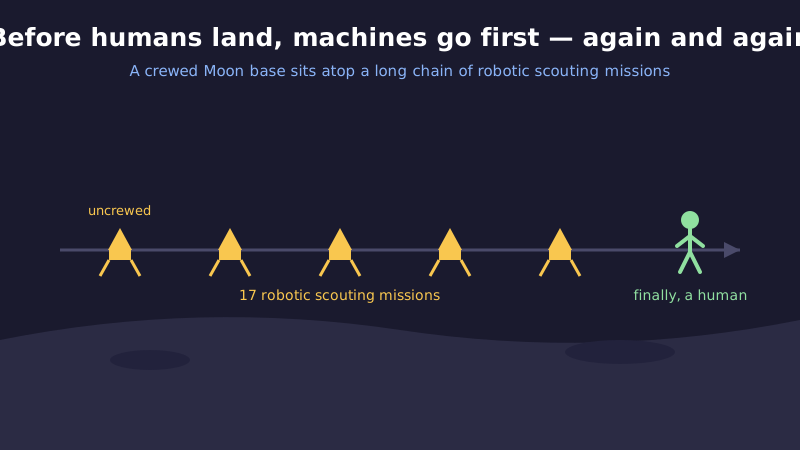
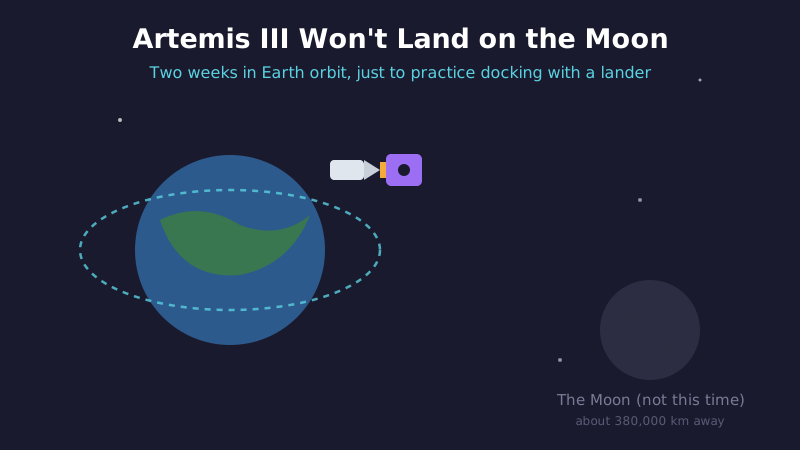
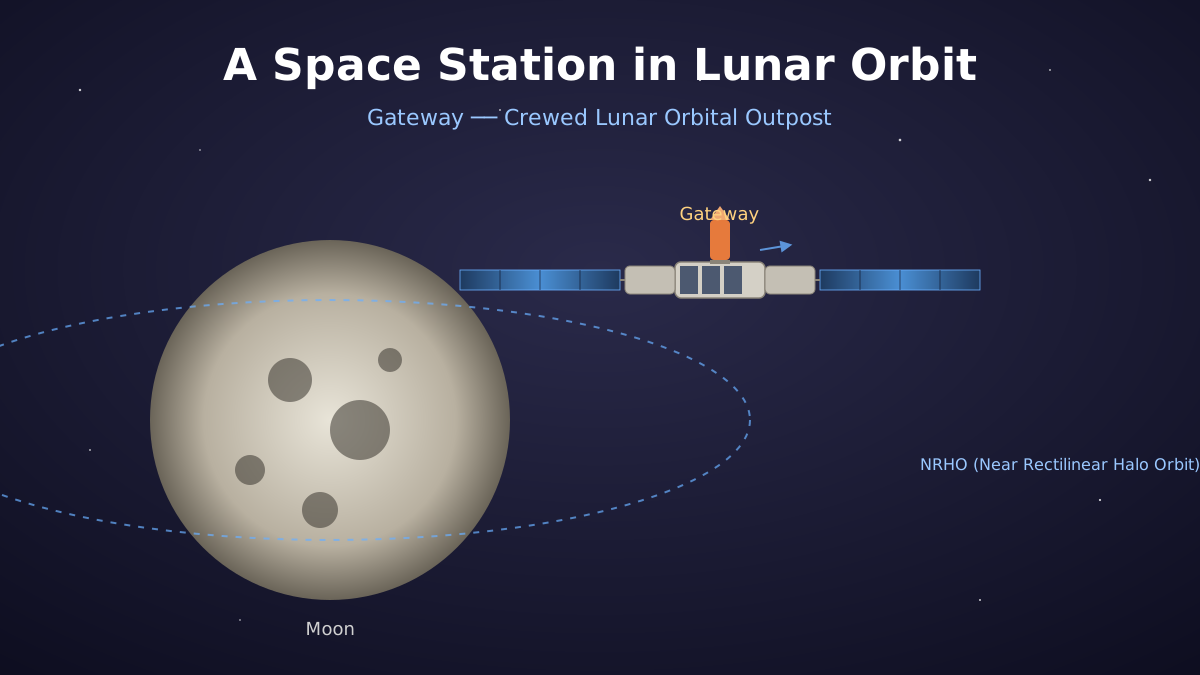
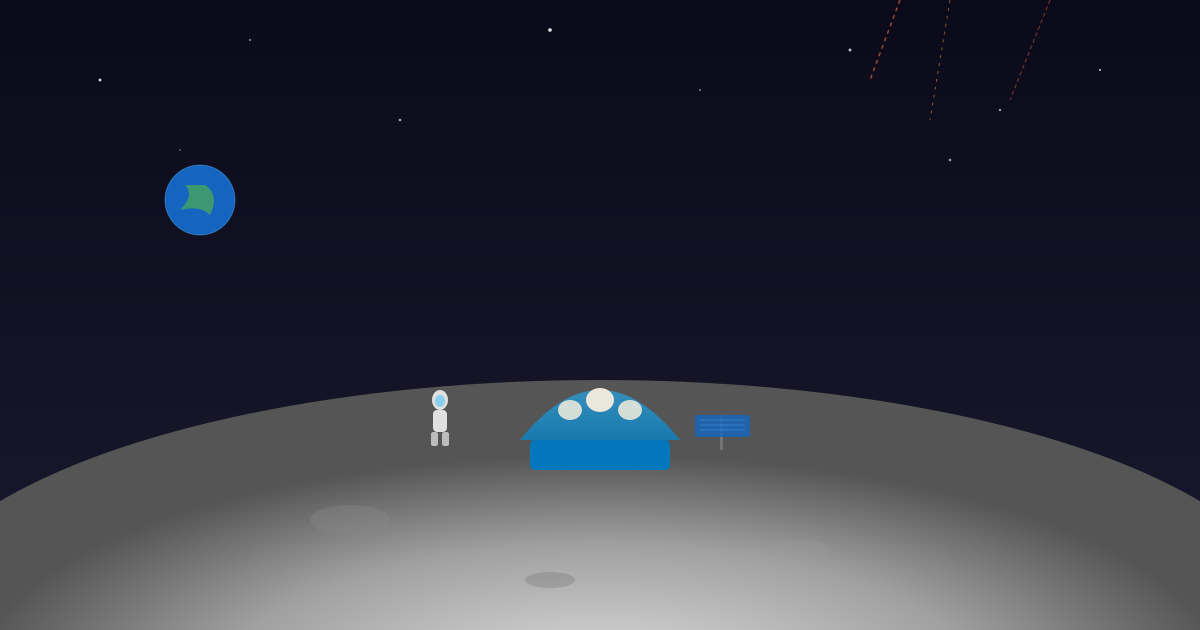
On June 9, 2026, NASA announced the four astronauts of Artemis III. None of them will set foot on the lunar surface. Instead, they'll spend about two weeks circling Earth, testing dockings with landers from Blue Origin and SpaceX. The actual landing has been pushed to Artemis IV in 2028. Here's a look at the unglamorous reality behind spaceflight: sometimes you need a dress rehearsal before the real thing.
Tree Rings and an Ancient Diary Just Confirmed an 800-Year-Old Solar Storm

May 22, 2026

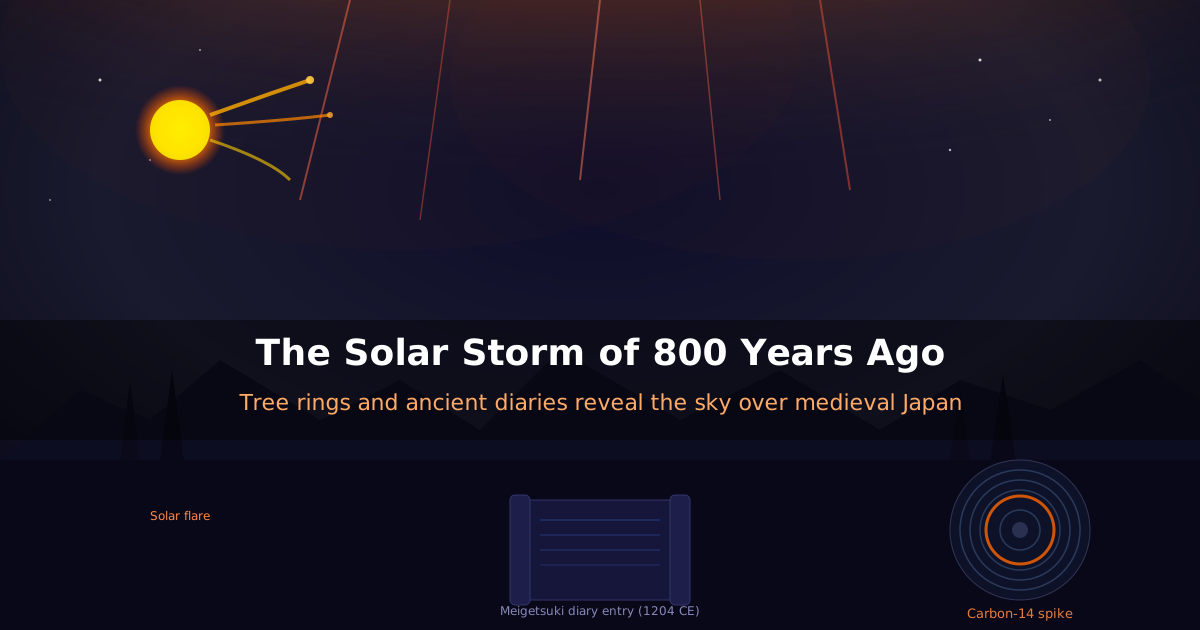
A Japanese research team has pinpointed a massive solar storm that struck around 1200–1201 CE. The evidence comes from two sources: a sharp spike in carbon-14 trapped in the rings of a buried tree from northern Japan, and a line in the medieval diary of poet Fujiwara no Teika describing 'a red light in the northern sky.' An 800-year-old convergence — and a warning for today.

Hitchhiking on Planetary Gravity — Why the Slingshot Effect Changed Space Exploration

May 20, 2026

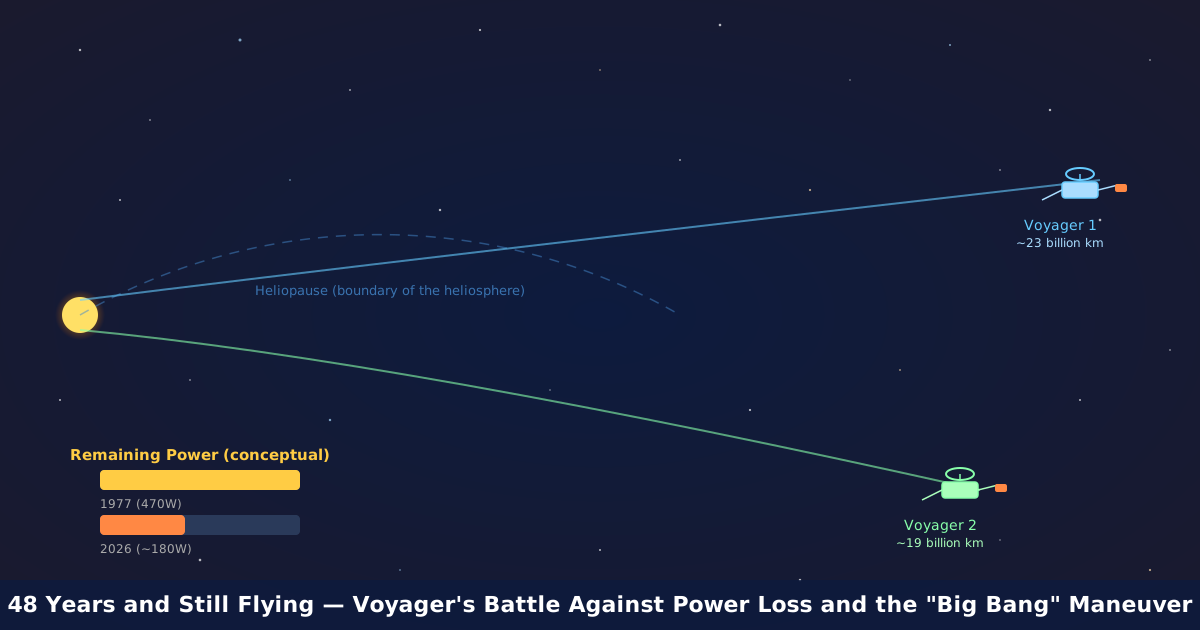
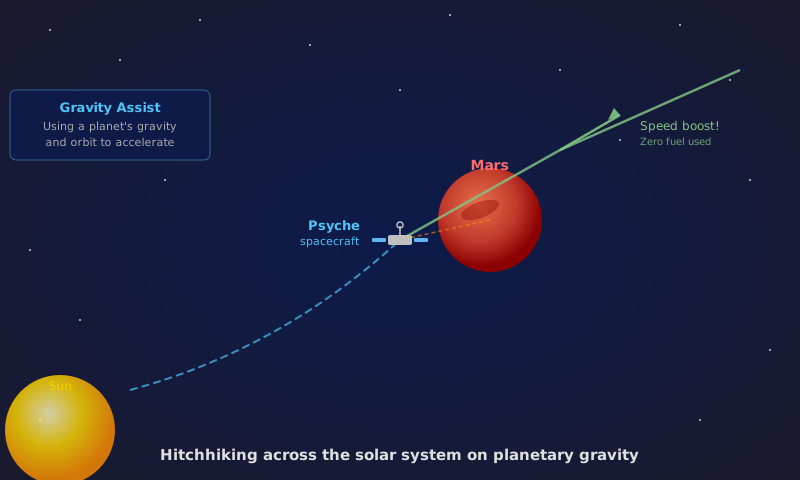
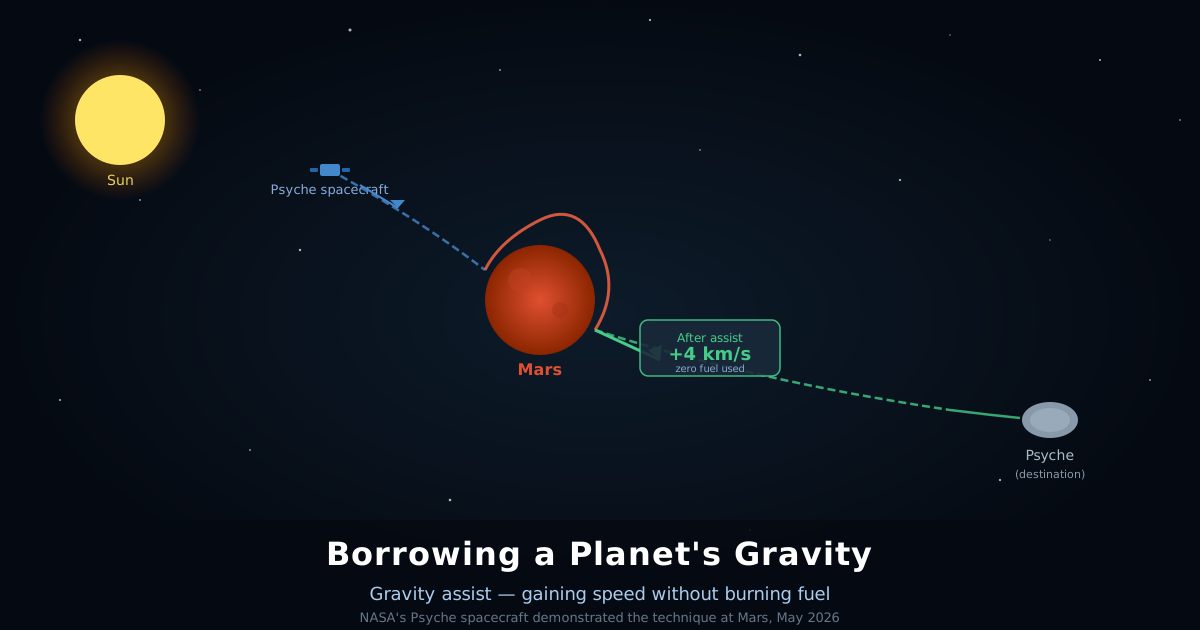
How can a spacecraft speed up without burning a drop of fuel? Gravity assist — the trick that took Voyager to the edge of the solar system and is now sending NASA's Psyche spacecraft toward a metal asteroid — is one of the cleverest moves in the history of spaceflight. Here's how it actually works.

A Rock from Another Star — What We're Learning About Interstellar Comet 3I/ATLAS

March 29, 2026

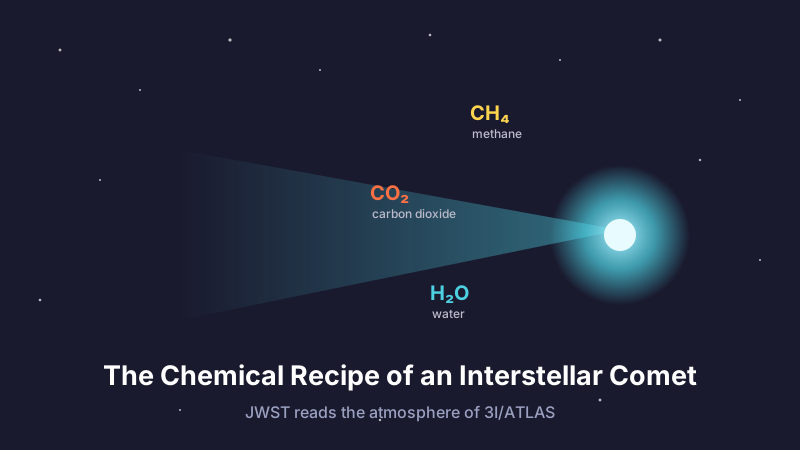
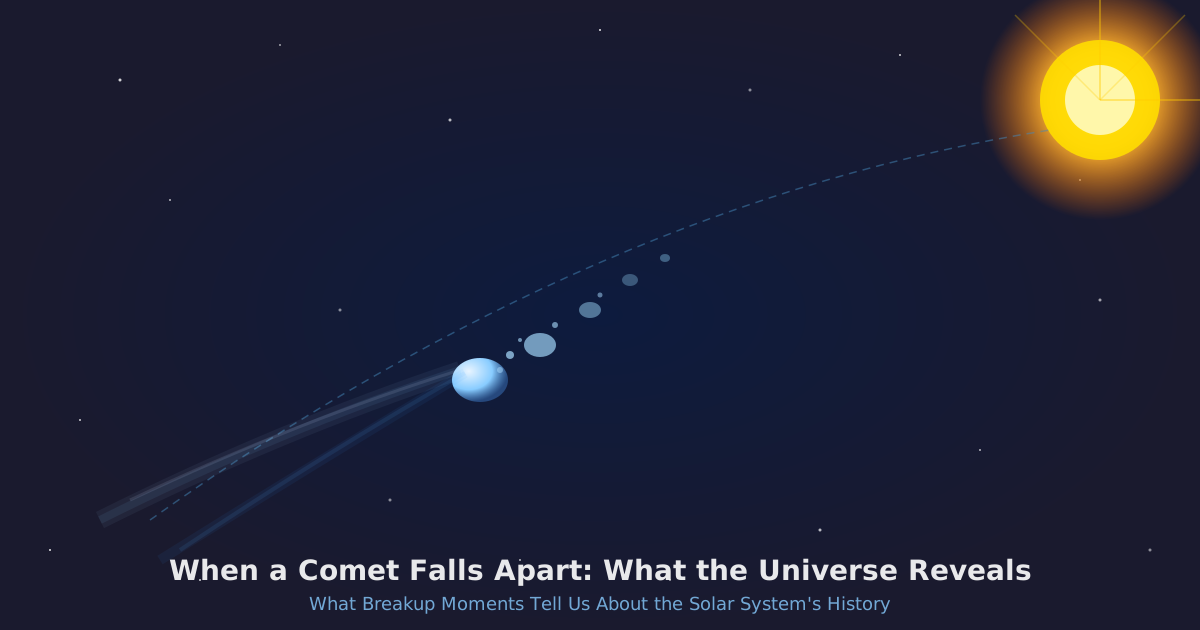
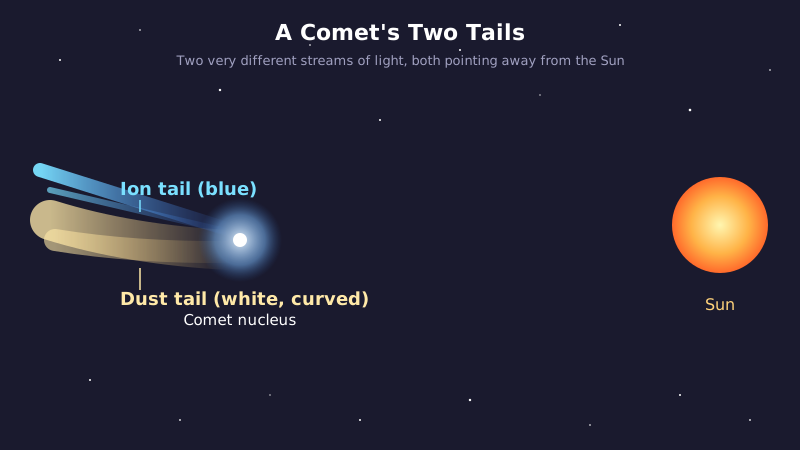
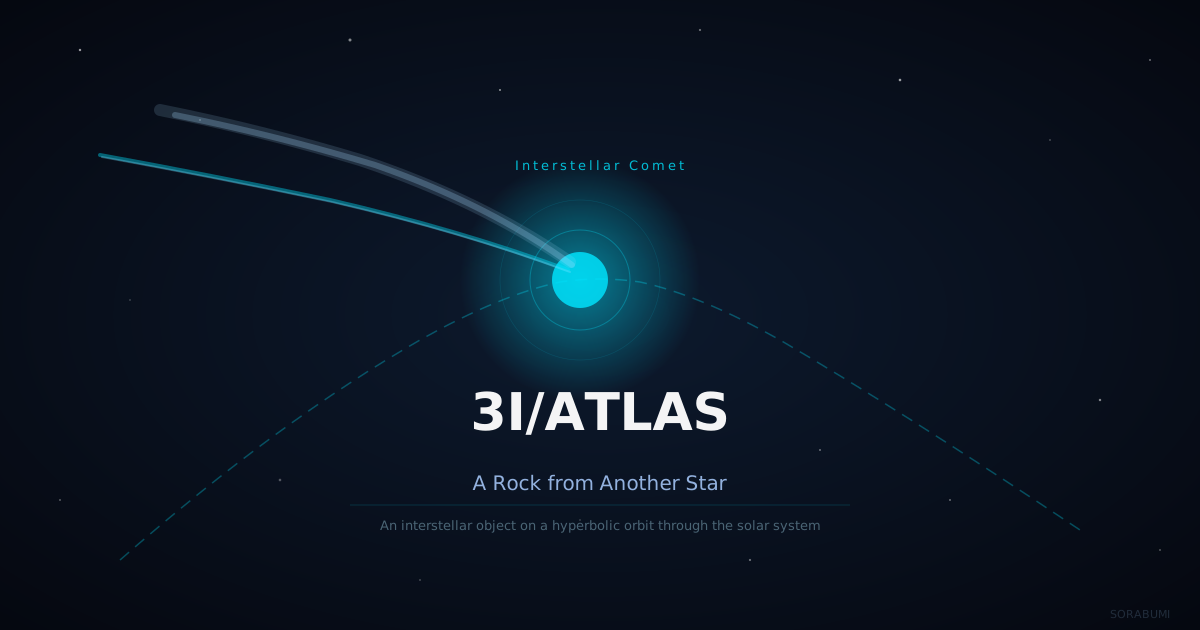
Discovered in 2025, 3I/ATLAS is only the third interstellar object ever detected. How do we know it came from outside the solar system? What makes it different from ʻOumuamua and 2I/Borisov? And why did ESA and NASA scramble to observe it so quickly? Here's what the data is telling us — and what it might unlock about planet formation across the galaxy.