All Articles (page 2)

All 193 articles, newest first

Latest articles

Tears Don't Fall in Space: Astronauts Wash With One Cup of Water, and Even Urine Becomes Drinking Water

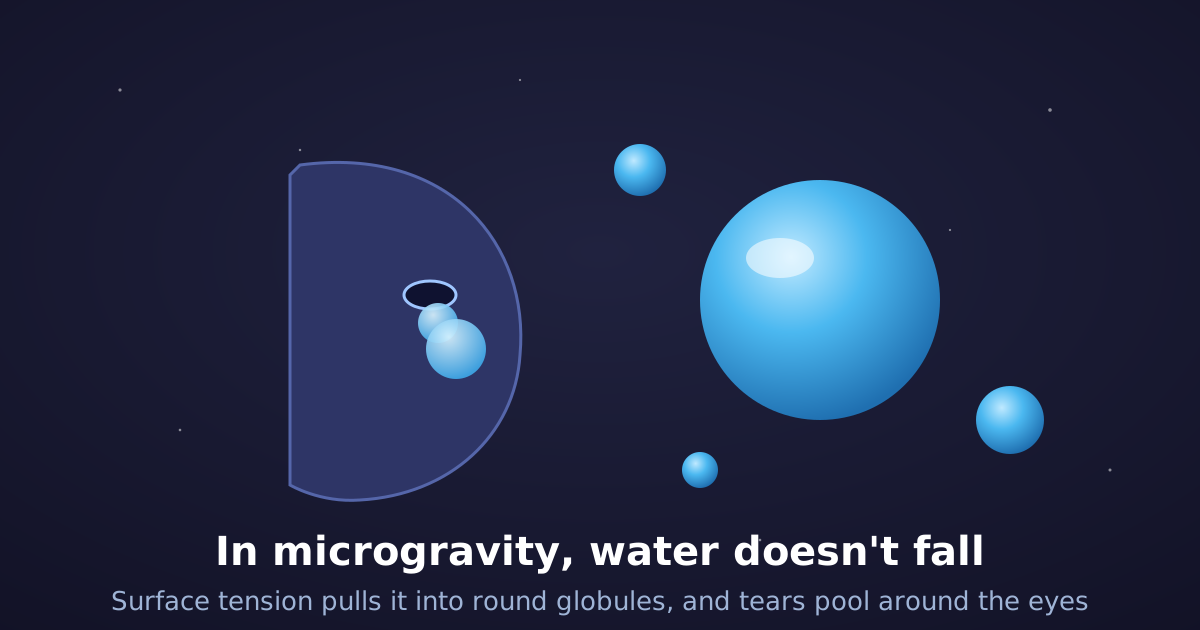
In microgravity, water doesn't fall. Surface tension pulls it into floating spheres instead, which is why tears never roll down an astronaut's cheeks, they just pool around the eyes. A full-body wash takes about 150-200 mL, one cup, and a recovery system turns 98% of urine, sweat, and even breath moisture back into drinking water. The faucet in your bathroom is not something to take for granted.
The Wireless Sensor NASA Built for Astronauts Is Now Keeping Heart Patients Out of the Hospital

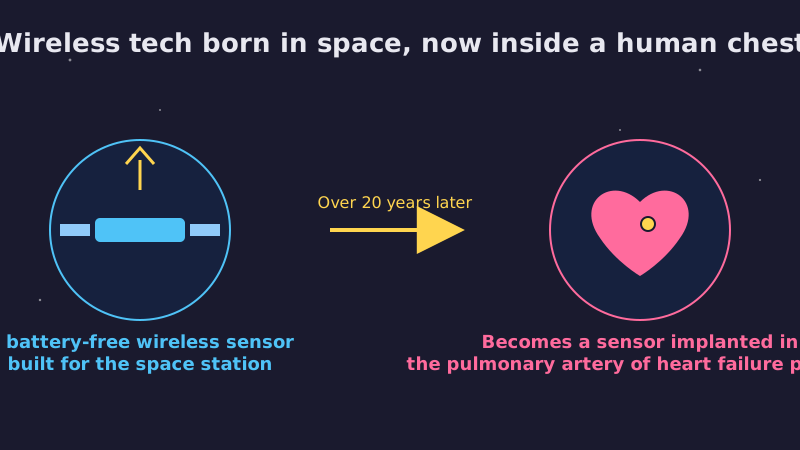
A battery-free sensor designed to monitor astronauts aboard the space station is now implanted in the pulmonary arteries of heart failure patients. One year after implantation, heart failure hospitalizations dropped 73%. A story about how an engineering constraint built for extreme environments ended up quietly at work inside the chests of people who need it most.

A Sky Made of Carbon With Clouds of Diamond: The Exoplanet That Breaks Every Rule

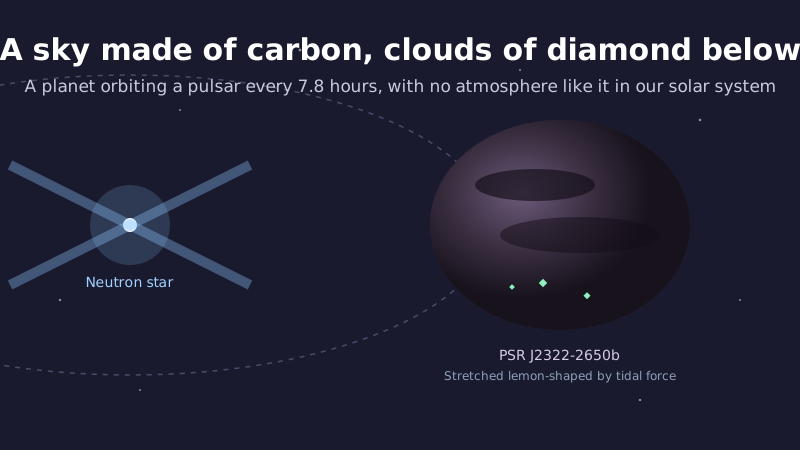
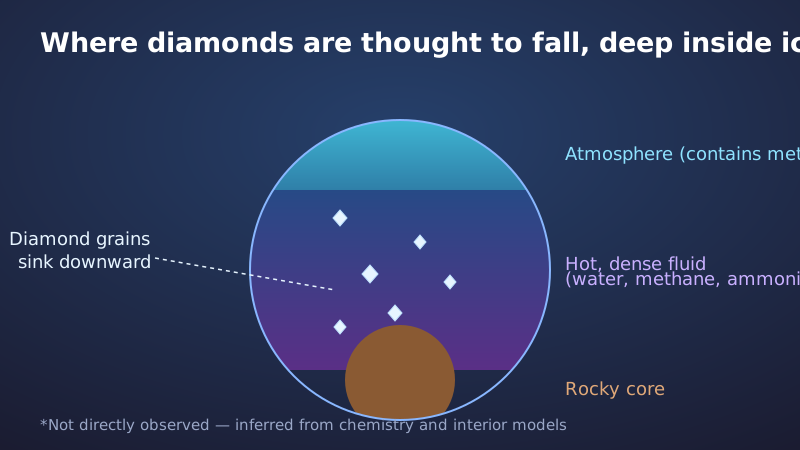
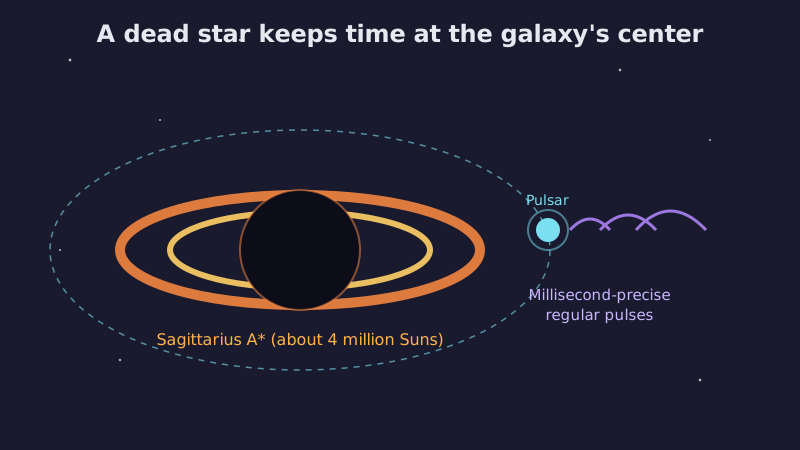
A Jupiter-sized planet circles a pulsar once every 7.8 hours. Its sky is made of helium and carbon, with no water or methane in sight. Daytime highs hit around 2,000°C, and deep in the atmosphere, carbon is thought to crystallize into clouds of diamond. Nobody can explain how it formed. JWST has found a sky unlike anything else in the solar system.

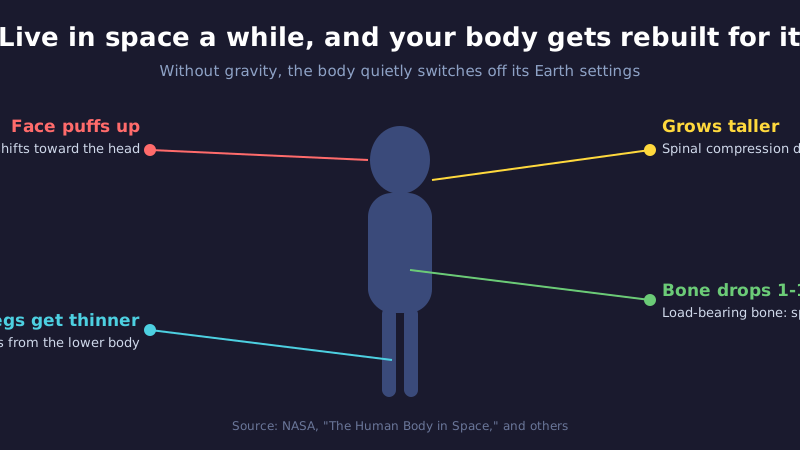
Your Body Gets Rewired for Space: Bones Vanish at 1% a Month

In microgravity, fluid rushes to your head, your face puffs up, and your legs go skinny. Your heart changes shape and starts slacking off, while the bones that once held up your weight quietly dissolve at 1-1.5% a month. Your spine stretches, your eyesight can blur — the body simply switches off its Earth settings, and this is the story of what happens to astronauts along the way.

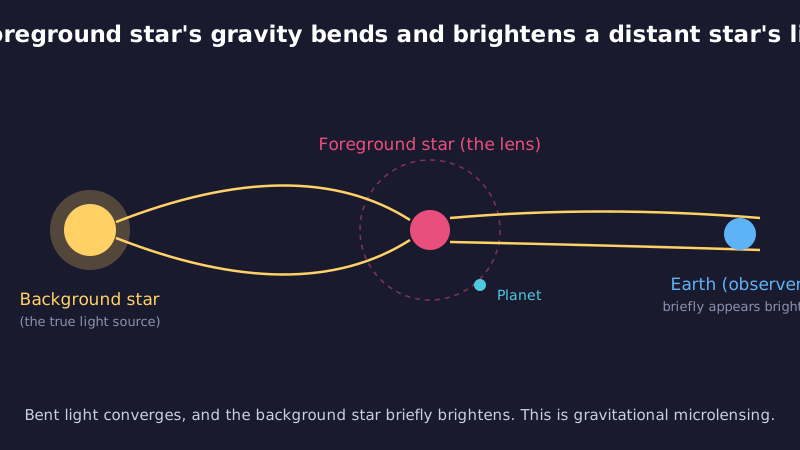
How Astronomers Find Planets That Never Give Off a Single Photon of Light

Planets don't shine on their own, yet astronomers have already confirmed more than 6,000 beyond our solar system. Some are found when a foreground star's gravity briefly bends and brightens the light of a star behind it, revealing a hidden world in the distortion. The Roman Space Telescope, with a field of view 100 times wider than Hubble's, is about to make this technique the main event.